
Recently, the European Commission issued a far-reaching resolution, stating that as of now, any project using inverters produced in China, Russia, Iran, and North Korea will no longer receive any energy project subsidies from the EU. The introduction of this resolution marks a fundamental shift in the EU’s energy policy over the past few years, especially in the field of inverters, where a highly strategic and systematic “de-Chinaization” policy has been implemented.
The inverter is a crucial component in solar power generation systems. It converts the direct current generated by photovoltaic panels into alternating current, ensuring the efficiency and stability of power usage. Currently, Chinese manufacturers account for as high as 70% of the global inverter market, and their share in the European market is even as high as 80%. Chinese enterprises such as Huawei, Suntech Power, and Godev are dominant in the global inverter market, especially in the European market, where their products are widely used in multiple large-scale photovoltaic projects.
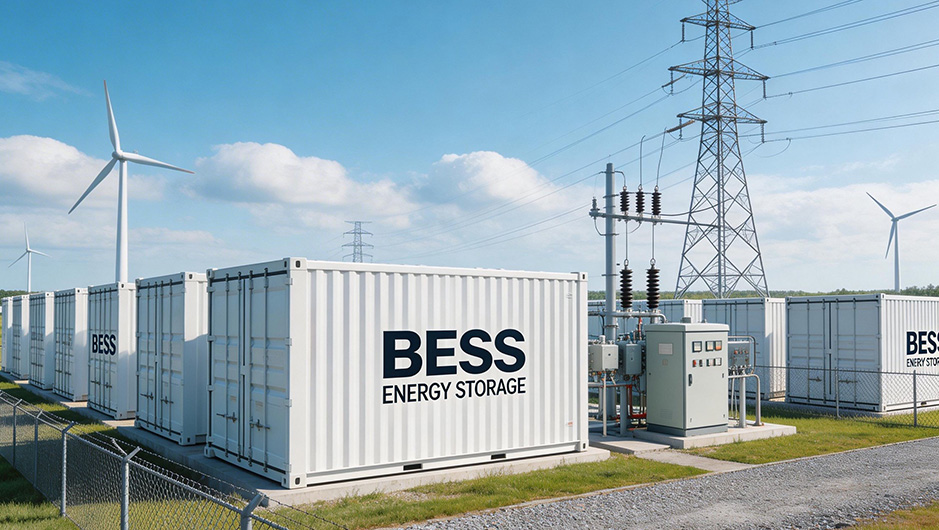
However, as the EU implemented strict localization production standards, the market share of these Chinese enterprises was directly threatened. Although the EU did not impose tariff barriers or directly ban the import of Chinese inverters, it achieved this by requiring a “localization rate” of over 70%, thus preventing Chinese enterprises from continuing to dominate the market through their cost advantage. This measure not only restricted the market access of Chinese enterprises but also forced them to reconsider how to maintain competitiveness in the EU market.
What is more worthy of attention is that this ban is not merely an economic sanction against Chinese inverter equipment. What it conveys is that the EU is seeking to fundamentally alter the supply chain structure of the energy market through “non-public communication”, especially regarding the flow of funds for photovoltaic and energy storage projects.
The ban on inverters is rooted in a strategic “de-Chinaization” approach.
The resolution of the European Commission, citing “cybersecurity risks” as the main reason, clearly states that inverters produced by China, Russia, Iran, and North Korea pose a potential risk of being used in attacks on the European power grid. Behind this explanation lies the deep concern of the EU regarding the security of its power infrastructure. Inverters, as an important component of photovoltaic and energy storage systems, perform functions such as intelligent power system control, network connection, and remote control. They have the potential to be exploited by hackers and become a potential entry point for attacking the power grid.
However, this resolution was not solely based on security considerations. In fact, it was a strategic “de-Chinaization” policy adopted by the EU in the increasingly complex geopolitical environment. As China has taken a dominant position in the global new energy industry, particularly in the fields of photovoltaic and energy storage equipment, the EU clearly realized that excessive reliance on the Chinese supply chain would seriously affect its energy independence and global competitiveness.
Therefore, this EU crackdown on Chinese inverters was not an unexpected move but rather a well-planned and systematic campaign of exclusion. Some industry insiders believe that this policy of the EU has gone through three stages of meticulous planning.
Phase One (2024 – 2025): Publicity Preparation and Stigmatization of Security Issues
During this period, anti-China sentiments within the EU gradually intensified. The European Solar Manufacturing Council (ESMC) and other institutions were the first to accuse Chinese inverters of having “unregulated remote control capabilities” and portrayed them as “power grid Trojan horses”. The main purpose of this stage was to use public opinion manipulation to provide justifications for subsequent policy actions.
Phase Two (November 2025): Legislative Precedents and Political Mobilization
As the negative perception of Chinese inverters in China has intensified, more than 30 members of the European Parliament jointly sent a letter to the European Commission, demanding that Chinese inverters be classified as “high-risk suppliers” and excluded from critical infrastructure. The legislative level in the EU has begun to consider implementing stricter control measures against Chinese enterprises.
Phase Three (April 2026): Implementation of the Secret Ban and Comprehensive Blockade
On April 23, 2026, the European Commission finally implemented this ban, explicitly announcing the cessation of providing financial support to energy projects that use Chinese inverters. This ban not only covers brands with Chinese investment backgrounds but also further extends to inverters that “own or control” them. Whether through outsourcing, brand acquisition, or local production, any inverters that are under Chinese control or benefit from Chinese interests will face strict policy constraints.
The EU’s “de-Chineseization” initiative is facing real challenges.
Although the EU’s inverter ban has been implemented, it still faces significant practical challenges from both political and market perspectives. Firstly, in the European market, energy projects, especially photovoltaic and energy storage projects, have long been highly dependent on Chinese inverter products.
Public data shows that in 2024, 80% of the new photovoltaic inverters installed in Europe came from China. Several Chinese inverters brands have dominated the European market. For instance, Huawei’s FusionSolar inverters, since entering the European market, have become a leading brand in the photovoltaic industry due to their advanced intelligent control technology and high energy conversion rate.
Sunergy (Sungrow) has also achieved remarkable performance in the European market, becoming one of the leading enterprises in the field of photovoltaic inverters. Sunergy’s market share in Europe has approached 30%. The efficiency and adjustability of its energy storage system have enabled its products to be widely used in Europe’s photovoltaic storage integration projects. GCL-Poly, on the other hand, holds a certain share in the industrial application sector, especially in large-scale photovoltaic power station projects. Due to the performance of its inverters in terms of efficiency and high reliability, it has gained the favor of many European project developers.
GoodWe has also rapidly entered the European inverter market in recent years, especially establishing a position in the field of residential photovoltaic systems. The main advantage of GoodWe inverters is that they have achieved a balance between price and performance in the low to mid-range market, gradually gaining recognition from European customers.
Currently, due to the shortage of production capacity and insufficient delivery capabilities of local inverter manufacturers in Europe (such as SMA, Fronius, etc.), they are simply unable to fill the gap in Chinese inverter equipment in the short term. Even if the EU provides more support to local enterprises, there is still a huge capacity gap in the market. Under such circumstances, the implementation of the EU ban will inevitably lead to a slowdown in project progress, a significant increase in costs, and even the risk of project stagnation.
Is the next goal of the EU to focus on energy storage?
After the EU imposed strict regulations on inverters, the industry began to speculate whether energy storage would become the next sector to be restricted.
Energy storage, as an important component supporting renewable energy generation, has become increasingly significant with the acceleration of global green transformation. The technological advantages of Chinese enterprises in the field of energy storage, especially in breakthroughs in lithium batteries, sodium-ion batteries, and all-solid-state batteries, have enabled them to hold a leading position in both the global and European markets.
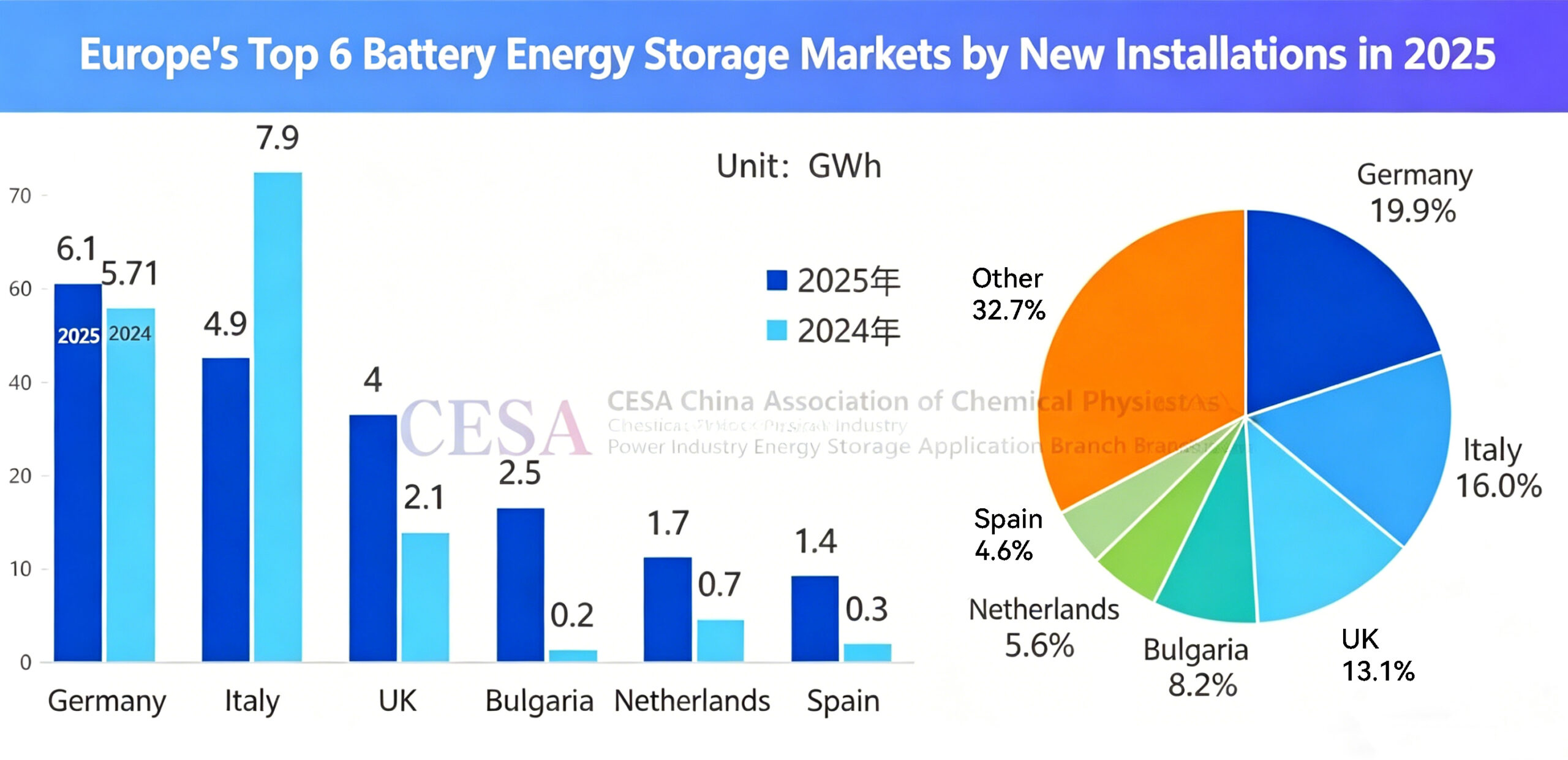
However, as the EU has imposed stricter localization standards in the areas of inverters and batteries, it is no longer just a remote possibility that energy storage will become the next target.
On March 4, 2026, the European Union officially launched the “Industrial Acceleration Act”. This act aims to increase the proportion of the EU’s manufacturing industry in GDP from 14.3% to 20% by setting high standards for local production requirements. Among them, areas such as electric vehicles, batteries, and photovoltaics have become the core focus of the act.
The core of the “Industrial Acceleration Act” lies in its “localization” requirements for key sectors such as electric vehicles, batteries, and photovoltaics. For foreign investors in these industries, especially those from “third countries” that account for more than 40% of the global market share – clearly referring to China – the EU has set a series of strict standards. Foreign equity must not exceed 49%, the proportion of local employees must be over half, research and development investment must not be less than 1% of total revenue, and the procurement share must be at least 30% in terms of localization requirements. The introduction of these provisions aims to ensure that foreign investors entering the EU market must undertake technology transfer, equity cooperation, and ensure a large number of local jobs and research and development investment.
The EU’s “Industrial Acceleration Act” clearly sets out its strategic goal, which is not merely to protect domestic enterprises but also to force foreign investors to re-examine their global production and supply chain layouts by setting “high thresholds”. Through localisation requirements for the electric vehicle, solar energy, battery and energy storage industries, the EU has, on the one hand, promoted the green energy transition, and on the other hand, through this “rule wall”, reduced the pressure of external competition, especially from Chinese enterprises.
In the fields of electric vehicles, photovoltaics, batteries and energy storage, these “algorithmic” restrictions imposed by the EU are profoundly influencing the market layout and investment decisions of Chinese enterprises. Especially in energy storage stations and large-scale energy storage projects, batteries, as key components, will also face higher EU standards in their production processes and technical layouts. For Chinese enterprises, this series of requirements not only mean high costs and complex compliance risks, but also may force them to change their existing global strategies.